This article originally appeared on Edinburgh Pub Reviews.
Subscribe or read more articles.
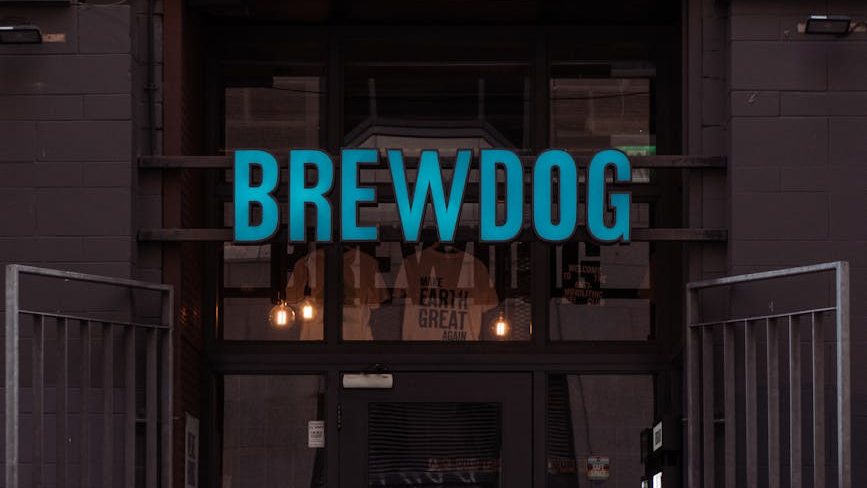
It’s been a difficult couple of weeks for hundreds of people working in the Scottish brewing and hospitality industries. The Brewdog sale has rightly dominated brewing news. We will get to that. But first, the parallel story of another pioneering Scottish craft beer company’s demise.
Innis & gone
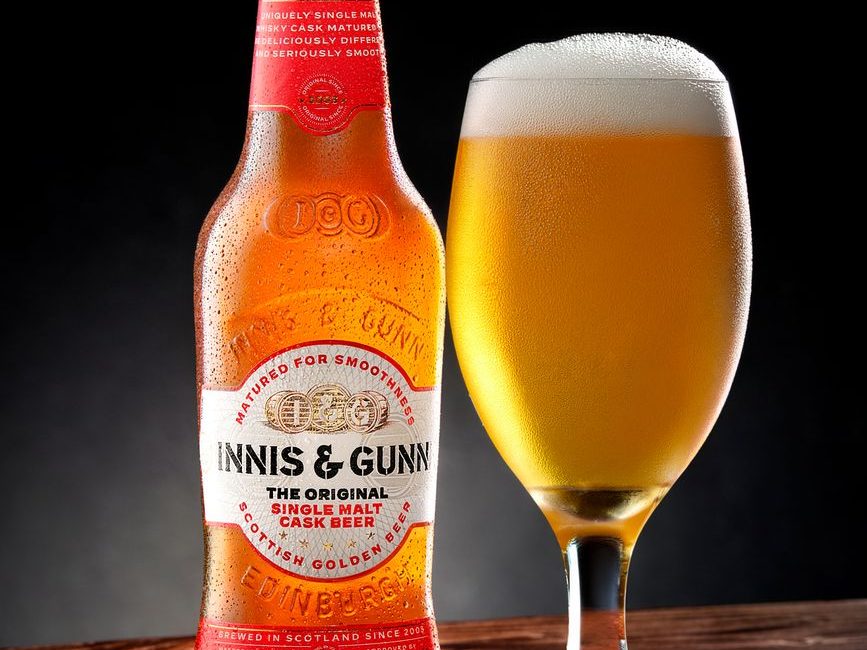
My introduction to craft beer came from my eldest brother. In the late 2000s, when I was still a teenager, small brown bottles started appearing on the top shelf of the fridge. He’d discovered this Edinburgh brewery called Innis & Gunn and their bourbon barrel-aged beers.
I was allowed to try a few sips and was surprised at what hit my tongue. My experience with beer up until then had been the odd warm can of Carlsberg in the park, or a taste of my dad’s bitter, which rarely breached the 4% ABV mark. This stuff was intense and alcoholic, like drinking boozy butterscotch. I could only really get through half a glass. But it showed me that there was a world of flavour I was yet to discover in beer.
We were in the foothills of the craft beer revolution in the UK, and Innis & Gunn was at leading the expedition party. It expanded, quickly, and extended its range beyond this slightly challenging barrel-aged stuff to more palatable beers. Craft beer in the 2010s was a world of beard-and-tattoo brewers with an appetite for juicy, hoppy bangers and colourful street art labels. And Brewdog, of course.
In 2014, it sold 20 million bottles around the world, with particularly large presences in Canada and Sweden. The same year, it entered into a contract with Tennent’s to use their giant Wellpark Brewery in Glasgow. A crowdfunding effort – surely inspired by Brewdog’s Equity For Punks – raised three times its million pound target, and in 2016, Innis & Gunn took over Inveralmond Brewery in Perth.
Soon after, our old friend private equity came calling (see: Brewdog and many other craft brewers), and the company sold a minority stake for £15m, valuing the firm at £54m. Bars and eateries around Scotland opened and closed. A sparkly new £20m brewery at Heriot-Watt University was announced in 2019, but it never came to fruition.
Meanwhile, south of the border, I had all but forgotten about that first sip of sweet, strong nectar. I’m a real ale drinker at heart, but was a fan of craft beer, and came of age in its heyday. Innis & Gunn was not on offer in the bars and pubs I went to. Instead, I was drinking halves of Mikkeller, schooners of Cloudwater, pints of Magic Rock.
It was only when I moved to Edinburgh in 2022 that I was reminded of Innis & Gunn – when I saw six-packs of its lager on the shelves of Lidl. The green cans reminded me more of the Carlsberg I drank in the park than the curious little bottles that were my gateway into craft beer.
Now, over 100 people have lost their jobs. The remaining bars will close, as will the Inveralmond Brewery. C&C Group, the Irish owner of Tennent’s, has bought the rest of the company for £4.5m. Innis & Gunn founder Dougal Sharp said: “I’m deeply sorry to everyone affected – particularly my colleagues who have lost their jobs and the shareholders who believed in what we were building. It’s been a bruising process for everyone.”
C&C Group’s response was an unnerving collage of management-speak. “This is a compelling and highly synergistic opportunity to save a well-loved brand for which we currently brew most of the product,” said its chief executive Roger White. “Our existing brewing and route-to-market platform allows us to integrate the brand effectively and quickly, supporting the ongoing supply of products to customers and consumers.”
The Dog is dead
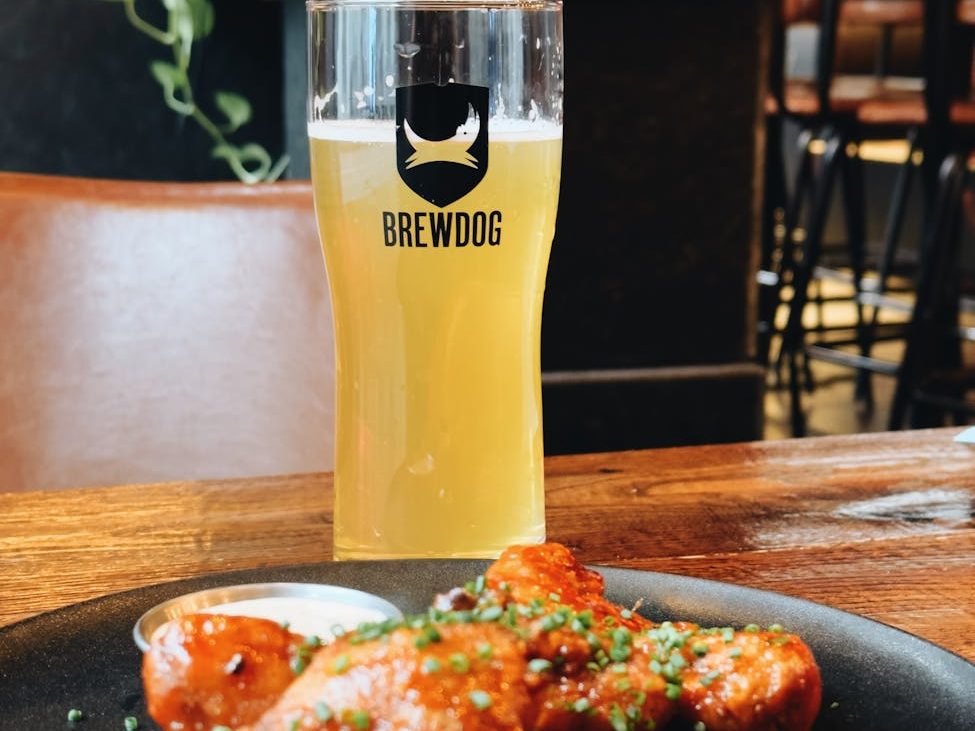
Lots has been written about the Brewdog administration, and its sale to a US company for £33m. I have left some links to some excellent and considered coverage below. In terms of the Edinburgh bars, Brewdog Cowgate has shut. The bar on Lothian Road and the DogHouse hotel on New Street will stay open. The Brewdog in the waiting room of Waverley station is owned by a franchisee, and unaffected by the sale.
If my memory serves correctly, soon after he started stocking the fridge with Innis & Gunn beers, by brother came home with a bottle of a super-strong stout with a bold, black-and-white label. It was called Tactical Nuclear Penguin, and at it was apparently the world’s strongest beer.
I don’t really remember the flavour of TNP, and I don’t remember if I enjoyed it or not. I do remember being excited at being able to try it, though. And it was the first time I had heard of Brewdog. They didn’t really let you forget about them from then on, with a series of attention-grabbing media campaigns, a TV show, dozens of bars and a Punk IPA tap in every Wetherspoon’s pub.
One Friday in 2016, my friends and I went to Sainsbury’s bought a grapefruit each, and headed into town. It was part of a promotional drive where we could exchange them for a free half-pint of their new grapefruit IPA, Elvis Juice. We were told our payments would be sent up to Ellon to be “‘recycled’ into the next batch of Elvis Juice”. Who knows what really happened to them. It’s long been clear that most of Brewdog’s marketing stunts had very little substance behind them, and at worst were deceptive. Many of them were still mega-successful, though.
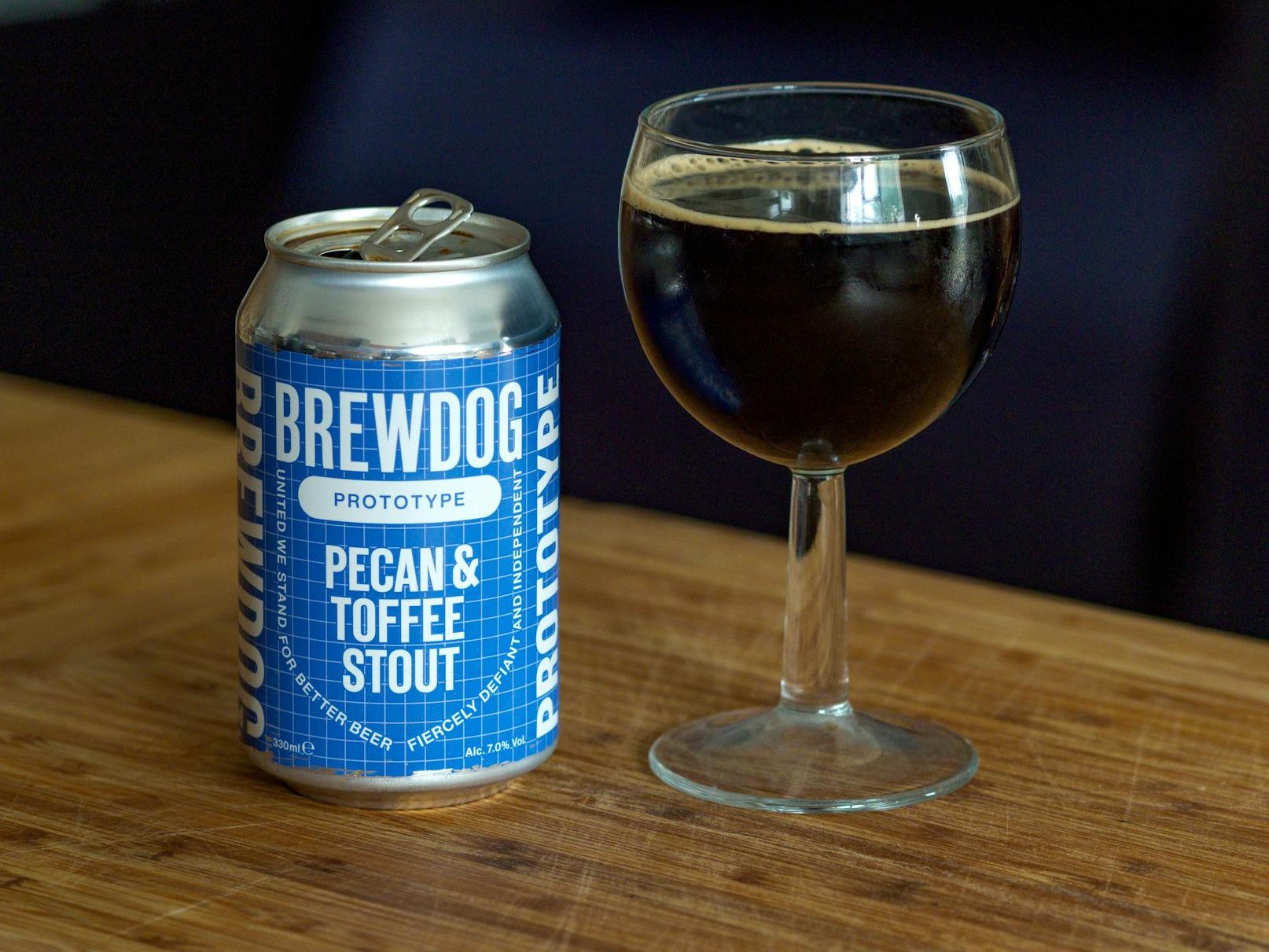
I didn’t like Brewdog because I thought it was particularly cool, though I did have some affection for it being at the vanguard of British craft beer. However, by the mid-2010s, lots of British craft brewers had a wide range of interesting beers. Being humbly passionate about the actual quality of your beer is infinitely cooler than increasingly desperate begs for recognition. Selling a stake to a private equity firm is, as has been pointed out countless times, not remotely punk whatsoever. The exposed piping, distressed wood and stools around high tables – found in every Brewdog bar – were most definitely not unique in that time of peak hipsterism. Years later, that monstrous and embarrassing bar at London Waterloo was a final humiliation to the company’s remaining defenders.
That’s not to say the marketing didn’t work on me; of course it did. Otherwise I would not have walked into a city-centre bar with a grapefruit in my pocket. It got me to notice the brand, and it reminded me of sharing that weird little bottle of 32% imperial stout at home with my family. But it was not enough to build up proper loyalty. This meant that when the quality of the beer fell – and it dropped noticeably – it was easy to stop picking up a four-pack of Punk IPA from the supermarket shelf and instead choose a Heineken-owned Beavertown or an AB InBev Camden Hells.
Hundreds of Brewdog staff have now lost their jobs. Brewdog’s poor working culture was exposed, first by the Punks With Purpose group and then a BBC Scotland podcast and documentary. Brewdog and then-boss James Watt denied the most serious allegations, while admitting that mistakes had been made. Watt and his co-founder Martin Dickie reportedly stopped talking a while back, but they jumped ship – having pocketed £50m each – long before the administration.
Watt posted a statement last week saying he was “heartbroken”, and in hindsight, he would have run the company differently. “At times we expanded too fast and diversified too broadly,” he wrote on his favourite platform, LinkedIn. Dickie, as he usually does, has stayed silent.
The new owner of Brewdog is an American company called Tilray Brands. On its website, it describes itself as “leading as a transformative force at the nexus of cannabis, beverage, wellness, and entertainment”. Brewdog’s Equity For Punks crowdfunders, who put something like £75m into the company, get nothing out of the deal.
More coverage on Brewdog worth reading
In his 2015 book, Watt had written: “Why spend your own money when you can spunk someone else’s?” Staying true to this mantra, within six months of the co-founders’ £100m windfall they went back to the public for yet another EFP raise.
- BBC Scotland has done some excellent reporting in the last few days – especially on its workers and its crowdfunder investors. Start with this overview from Mark Daly, and then read everything else here.
Now I’m sure some of you in marketing will say “all press is good press”. Well in this case it’s really not. James Watt rightly or wrongly was vilified. Is this the kind of press that’s going to have you rushing to your local BrewDog bar or Tesco to grab some beer? Nope. James Watt’s hubris was exposed.
- Peter Kennelly managed Brewdog bars between 2014 and 2017. This was probably about the time the company went from “a bit cool” to “not really cool at all”, so his opinion on what went wrong is worth reading.
I had to keep working even though I was literally working myself to death. It was the most difficult period of my life, and I got nothing but shit from BrewDog for it. I will never forgive some of the people involved in that, many were just kids themselves, given management roles above their skill level and experience, others were simply bastards.
- Charlotte Cook worked as a brewer for Brewdog between 2011 and 2014. She was part of the Punks With Purpose group and featured in the BBC’s 2022 investigations. Here, she gives her account of the treatment she received from the company.
This article originally appeared on Edinburgh Pub Reviews.